
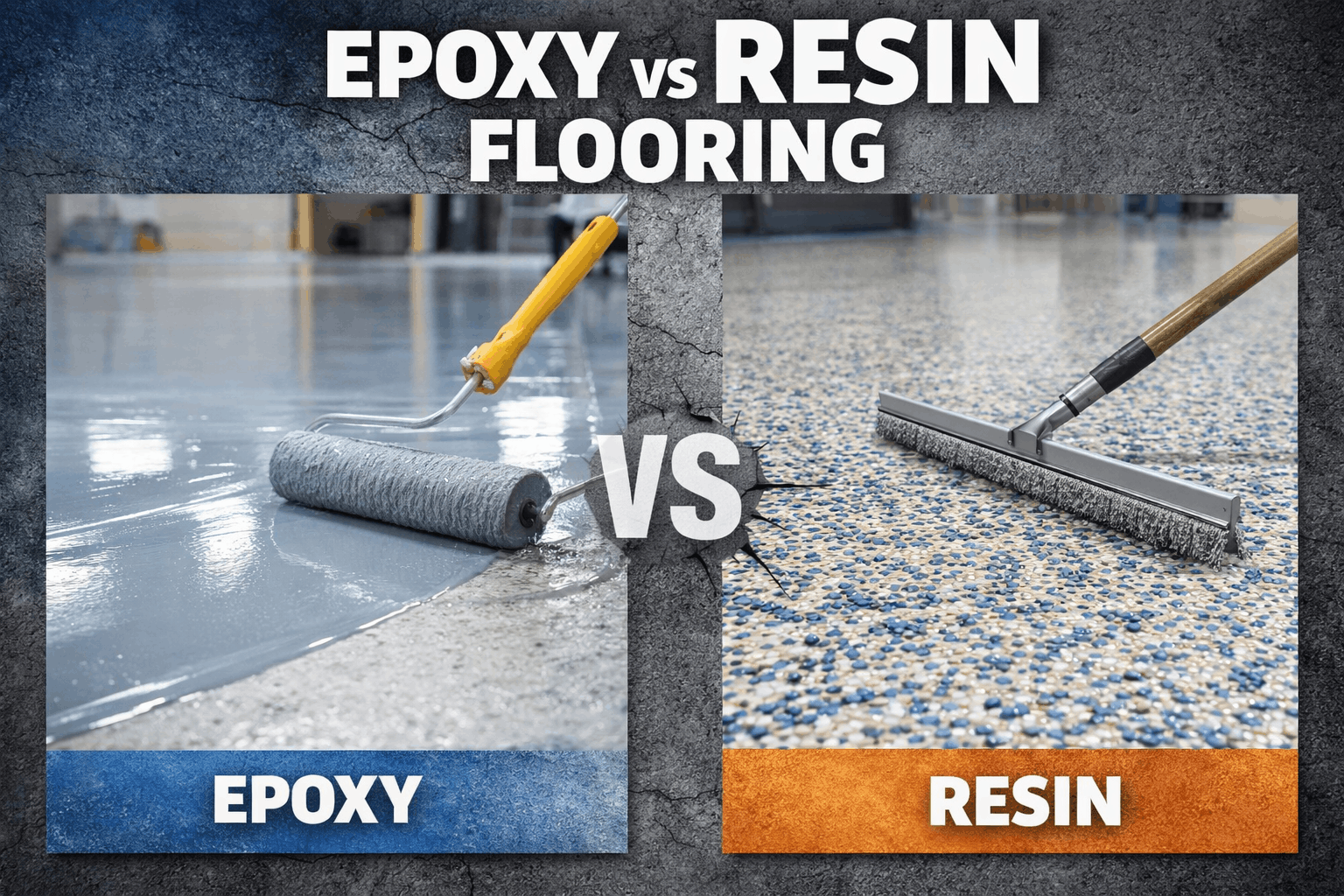
If you’ve been researching flooring options and keep running into the terms ‘epoxy’ and ‘resin flooring’ used interchangeably, you’re not alone and you’re not wrong to be confused. The reality is that most articles on this topic only scratch the surface, covering just two of the five main resin flooring types while leaving you no clearer on which one is actually right for your garage, basement, kitchen, or commercial space.
This guide fixes that. We’ll break down all five types of resin flooring available in the US market, explain exactly how epoxy fits within the broader resin flooring category, compare costs, lifespan, DIY difficulty, and best use cases and give you the room-by-room guidance no competitor article bothers to provide.
Epoxy IS a Type of Resin Flooring
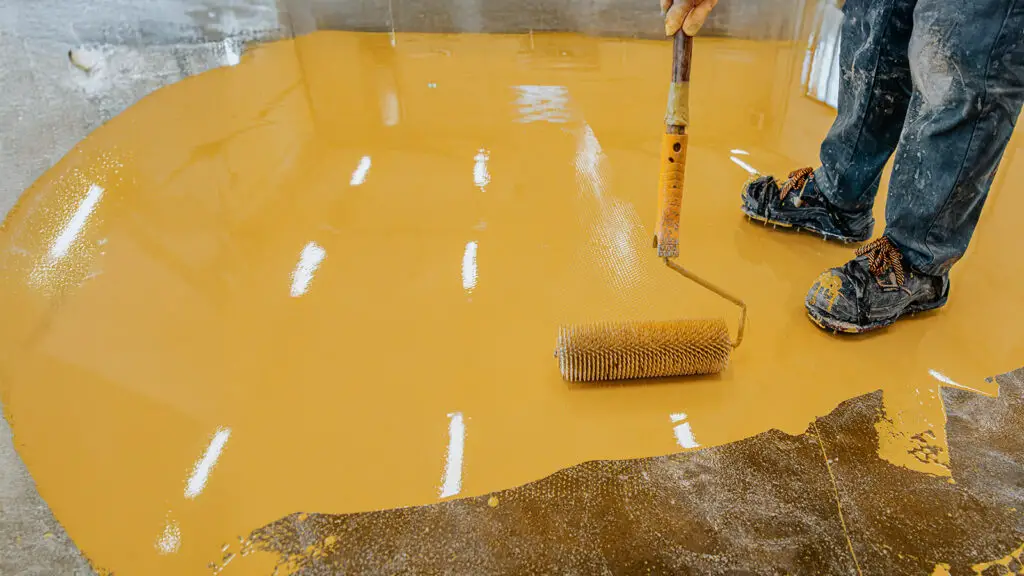
Before diving into comparisons, it’s critical to understand the foundational relationship between these two terms.
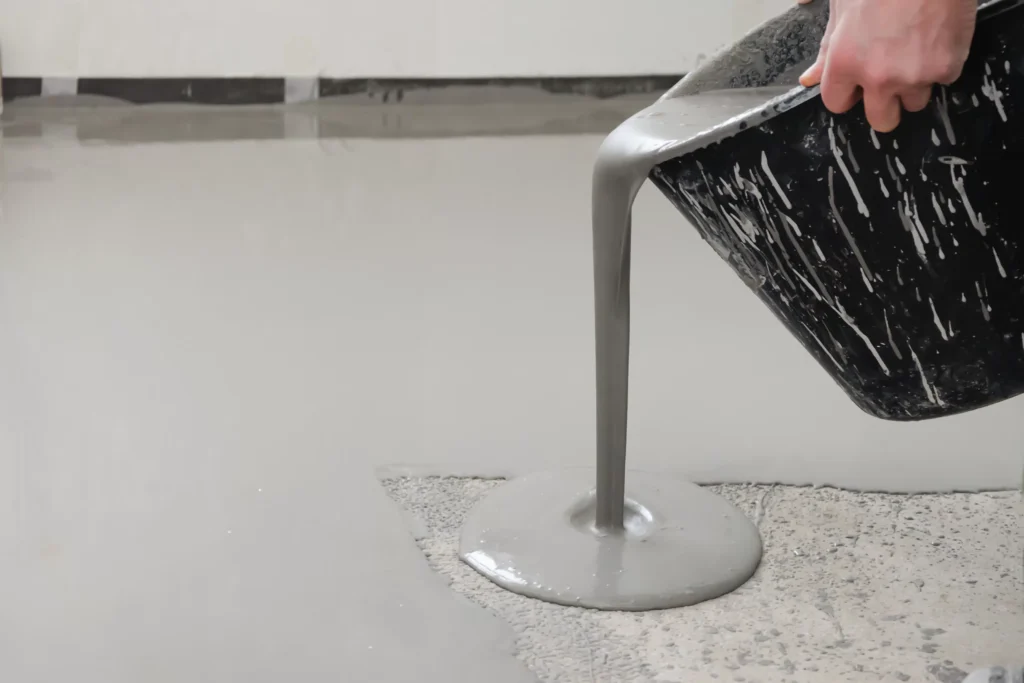
Resin flooring is the broad category it refers to any floor coating system made from synthetic polymer resins that cure into a hard, seamless surface bonded to a concrete substrate.
Epoxy flooring is one specific type within that category. Think of it like this: all epoxy floors are resin floors, but not all resin floors are epoxy. The five main types of resin flooring are:
- Epoxy resin: the most widely used type in the US, known for hardness and chemical resistance
- Polyurethane (PU): more flexible and UV-stable than epoxy, popular in food-grade environments
- Polyaspartic: a fast-curing, UV-resistant evolution of polyurethane, growing rapidly in the US market
- Methyl Methacrylate (MMA): the fastest-curing resin, used in cold climates and time-sensitive projects
- Urethane Cement: the most thermal-shock resistant option, designed for commercial kitchens and food processing
Most competing articles cover only epoxy and polyurethane, leaving homeowners and facility managers completely unaware of the other options. Let’s change that.
Side-by-Side Comparison: All 5 Resin Flooring Types
Use this table for a quick overview before reading the detailed breakdowns below.
| Type | Cost/sq ft | Cure Time | UV Stable | DIY Friendly | Best For | Lifespan |
| Epoxy | $3–$12 | 24–72 hrs | No | Yes | Garages, warehouses | 10–20 yrs |
| Polyurethane | $4–$10 | 12–24 hrs | Yes | Moderate | Commercial kitchens | 15–25 yrs |
| Polyaspartic | $5–$15 | 2–6 hrs | Yes | Hard | Garages, retail | 15–25 yrs |
| MMA | $6–$18 | 1–2 hrs | Yes | Pro only | Cold climates | 15–20 yrs |
| Urethane Cement | $8–$20 | 12–24 hrs | Moderate | Pro only | Food industry | 20–30 yrs |
1. Epoxy Resin Flooring: The US Market Standard
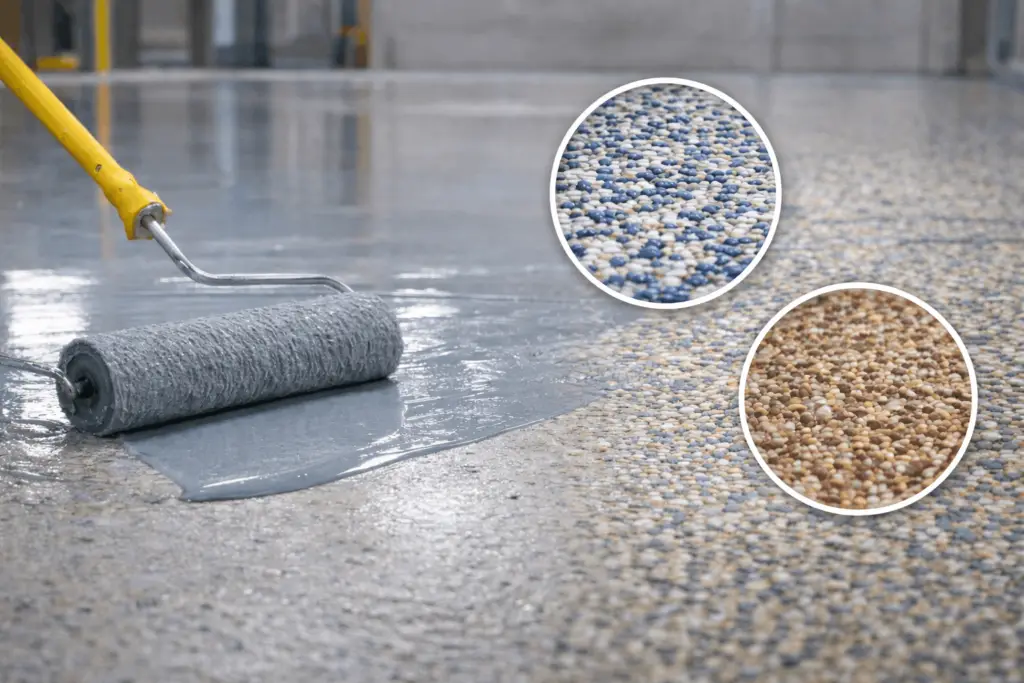
Epoxy flooring is by far the most commonly installed resin floor in the United States, accounting for the majority of residential garage floors and a significant share of commercial and industrial installations.
It consists of two components an epoxy resin and a hardener which are mixed together and react chemically to form a rigid, high-performance plastic surface.
The result is a dense, non-porous floor that resists oil, gasoline, cleaning chemicals, and heavy impact. When broadcast with colored flakes or quartz aggregate, it also provides excellent slip resistance and a professional finish that dramatically improves the look of any concrete floor.
Epoxy Flooring Pros and Cons
- Pros: Extremely hard and impact-resistant, strong chemical resistance, widely available from US contractors and DIY kit suppliers, excellent adhesion to concrete, highly customizable with flakes, quartz, or metallic pigments
- Cons: Turns yellow over time when exposed to UV light (not suitable for outdoor or sunlit applications without a topcoat), brittle compared to polyurethane, requires thorough surface preparation, slow cure time (24–72 hours before foot traffic)
Epoxy Flooring Costs in the US
- DIY epoxy kit (water-based): $1–$3 per sq ft — suitable for light-use garage floors
- DIY epoxy kit (solvent-based/100% solids): $2–$5 per sq ft — better performance, harder application
- Professional installation (standard): $3–$7 per sq ft installed
- Professional installation (decorative/metallic): $8–$12+ per sq ft installed
2. Polyurethane (PU) Resin Flooring: The Flexible Workhorse
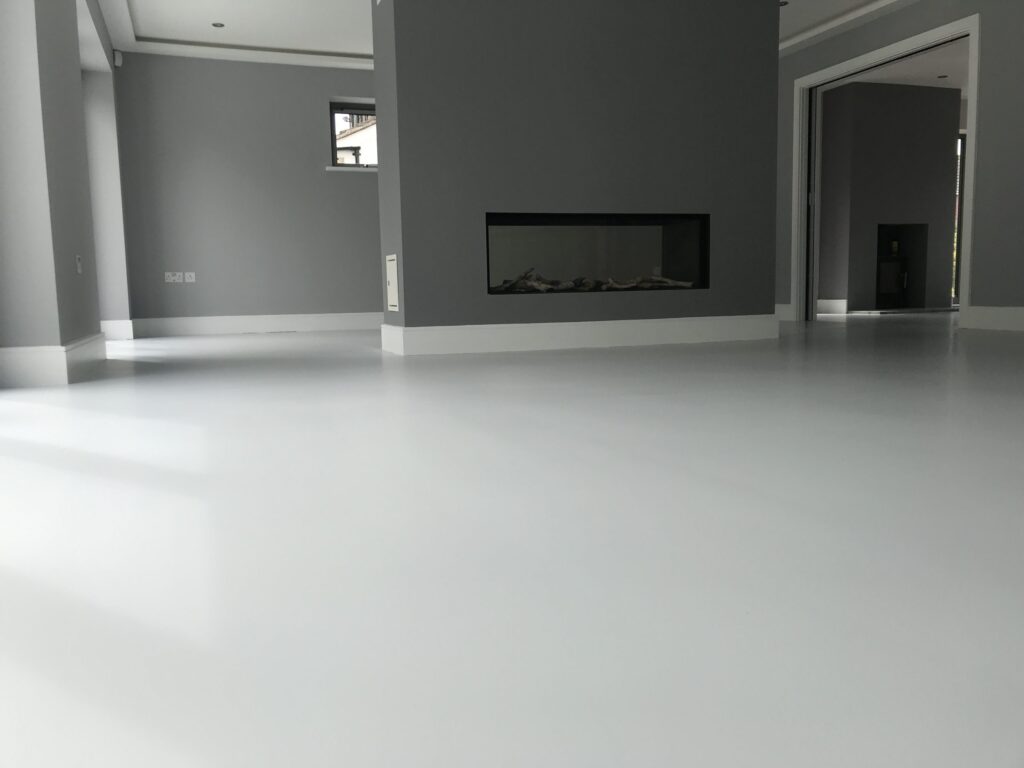
Polyurethane resin flooring is chemically distinct from epoxy and offers a different set of performance characteristics. While epoxy is hard and rigid, polyurethane is more elastic and flexible allowing it to absorb minor substrate movement without cracking.
It also has significantly better UV resistance than standard epoxy, which means it won’t yellow when exposed to sunlight.
These properties make polyurethane a top choice for commercial kitchens, food processing facilities, retail spaces, and any environment where thermal cycling (repeated heating and cooling) or UV exposure is a concern.
In the US food industry, polyurethane particularly urethane cement variants is considered the professional standard for floors that need to withstand steam cleaning, extreme temperatures, and daily chemical exposure.
Polyurethane Flooring Pros and Cons
- Pros: UV-stable (won’t yellow), flexible and crack-resistant, better scratch resistance than epoxy, excellent thermal resistance, suitable for food-grade environments
- Cons: Slightly less chemical resistance than epoxy, more difficult to apply (requires professional installation for best results), higher cost than basic epoxy systems
Polyurethane Flooring Costs
- Materials only: $2–$5 per sq ft
- Professional installation: $4–$10 per sq ft installed
3. Polyaspartic Resin Flooring: The Fast-Cure Game-Changer
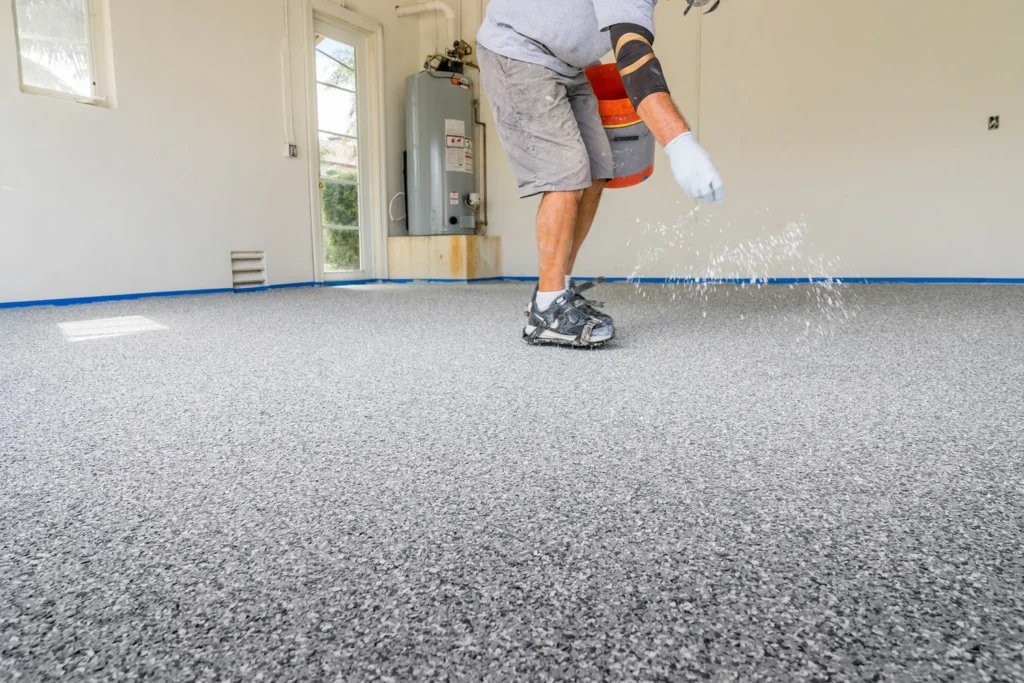
Polyaspartic coatings are a relatively newer category of resin flooring that has exploded in popularity across the US market over the past decade especially for residential garage floors.
Chemically, polyaspartics are a subclass of polyurea, modified to offer improved workability while retaining the fast cure times that polyurea is known for.
The biggest selling point is speed. A standard polyaspartic floor system can be fully installed and ready for vehicle traffic within a single day compared to 2–3 days for a traditional epoxy system.
This makes polyaspartic the preferred choice for professional garage floor companies like Garage Living and 1-800-EPOXY across the US.
Additionally, polyaspartic coatings are UV-stable, meaning they maintain their color and gloss without yellowing a significant advantage over traditional epoxy in garages with windows or natural light exposure.
Polyaspartic Flooring Pros and Cons
- Pros: Cures in 2–6 hours (same-day installation), UV-stable, excellent hardness and scratch resistance, works in a wider temperature range than epoxy, strong adhesion
- Cons: Very fast cure time makes DIY application difficult mistakes are hard to correct, higher material cost than epoxy, requires professional installation for best results, less forgiving on improperly prepared substrates
Polyaspartic Flooring Costs
- Professional installation: $5–$15 per sq ft installed
- DIY kits (available but challenging): $3–$6 per sq ft in materials
Related Topics:
4. Methyl Methacrylate (MMA) Flooring: The Fastest Cure Available
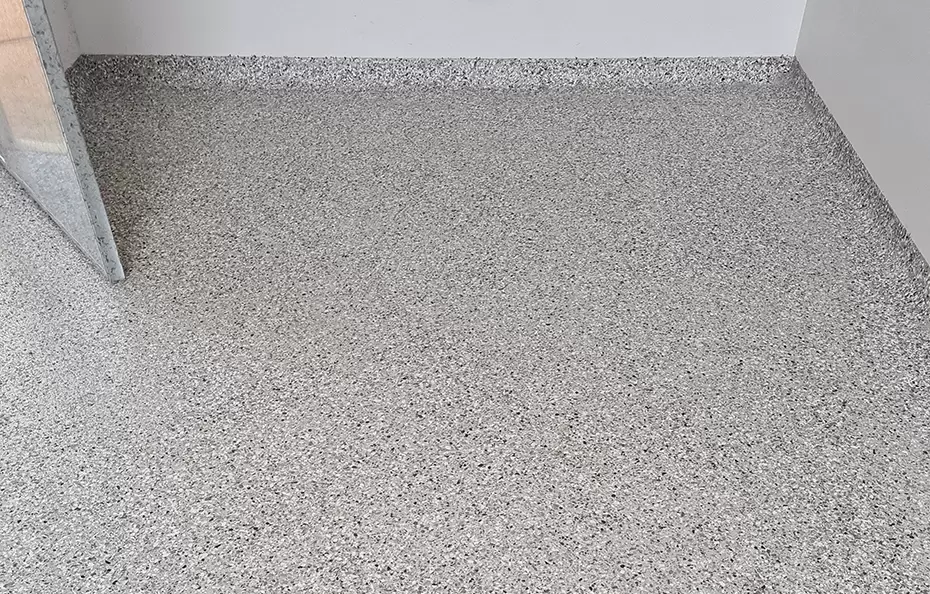
MMA flooring is the speed champion of the resin flooring world. It can cure fully in as little as 60–90 minutes at temperatures as low as -20°F (-29°C), making it the only viable resin flooring option for cold-climate installations where epoxy and polyurethane simply won’t cure properly.
This makes MMA particularly valuable in northern US states like Minnesota, Wisconsin, Michigan, and Alaska, where winter construction or renovation often needs to continue in unheated spaces.
MMA is used extensively in parking structures, cold storage facilities, freezer floors, bridges, and stadiums across the US. Its fast cure is also valuable in retail or commercial settings where downtime must be minimized.
The trade-off is a distinctive strong odor during application that requires excellent ventilation, and a significantly higher material cost.
MMA Flooring Pros and Cons
- Pros: Fastest cure of any resin type (60–90 minutes), works in extreme cold (down to -4°F / -20°C), excellent chemical resistance, seamless and non-porous, UV-stable versions available
- Cons: Strong, pungent odor during installation (requires ventilation and PPE), highest material cost of all resin types, professional-only installation, limited DIY accessibility
MMA Flooring Costs
- Professional installation: $6–$18 per sq ft installed (varies significantly by system complexity)
5. Urethane Cement Flooring: The Industrial Specialist
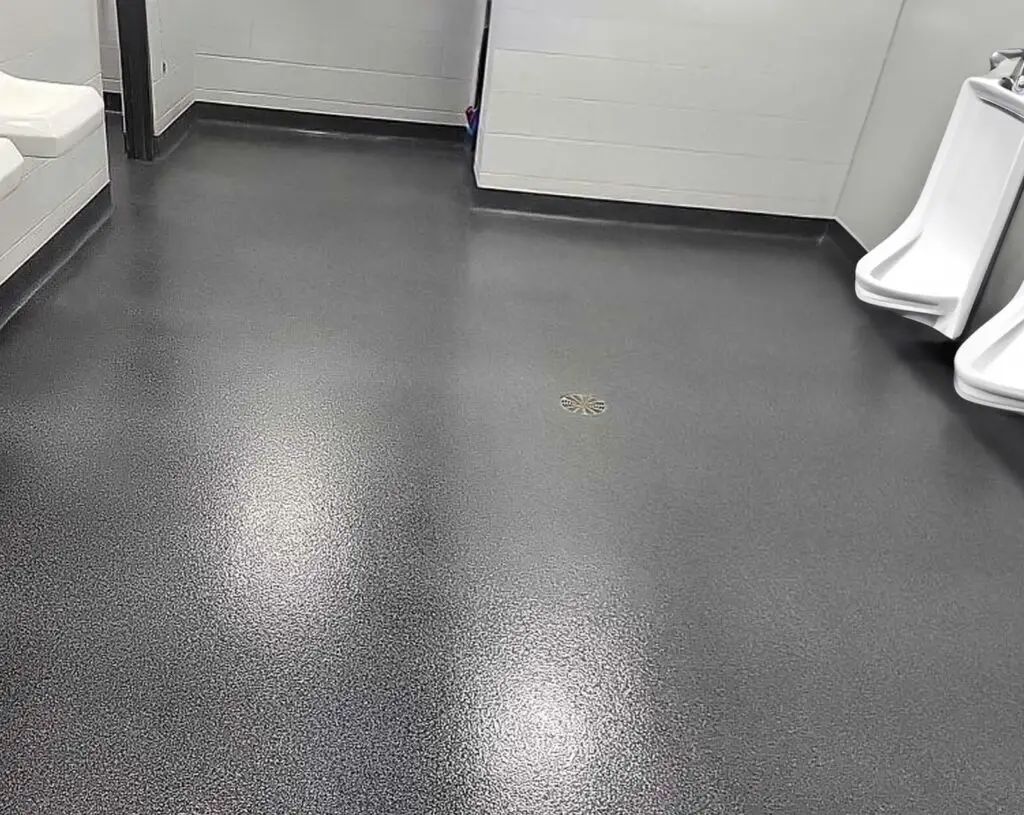
Urethane cement sometimes called cementitious urethane or polyurethane mortar is a hybrid material combining the chemical resistance of polyurethane with the thermal durability of a cement-based system.
The result is the most thermal-shock resistant resin flooring available, capable of withstanding temperature swings from freezing to 250°F (121°C) without cracking or delaminating.
In the US, urethane cement is the flooring system of choice for commercial kitchens, food and beverage processing plants, breweries, pharmaceutical manufacturing facilities, and any environment where floors are routinely exposed to boiling water, steam cleaning, frozen food spillage, or aggressive cleaning chemicals.
It’s commonly specified by health departments and commercial kitchen designers as the appropriate finish for USDA-compliant food preparation areas.
Urethane Cement Flooring Pros and Cons
- Pros: Extreme thermal shock resistance, outstanding chemical resistance, slip-resistant aggregate finishes available, bonds to green (fresh) or damp concrete, USDA-compliant for food facilities
- Cons: Highest cost of all resin types, professional-only installation, heavier and thicker than other resin systems (typically 3/16″ to 1/4″ thick), not suitable for residential applications
Urethane Cement Flooring Costs
- Professional installation: $8–$20 per sq ft installed
Epoxy vs Resin Flooring: The 7 Key Differences Explained
1. Hardness and Flexibility
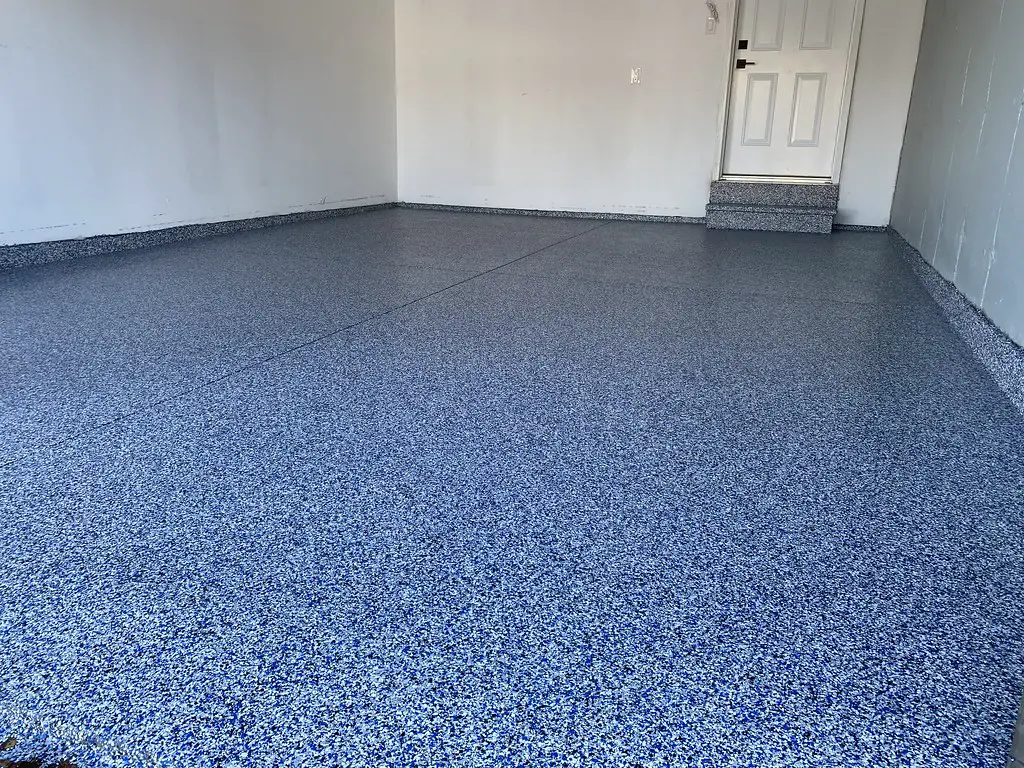
Epoxy cures into the hardest, most rigid surface of the common resin types. This is excellent for impact resistance but means it can crack under substrate movement. Polyurethane and polyaspartic systems are more flexible, allowing the floor to absorb minor concrete movement or thermal expansion without cracking.
For older buildings where the concrete substrate may shift slightly over time, a more flexible resin system is generally safer.
2. UV Resistance and Yellowing
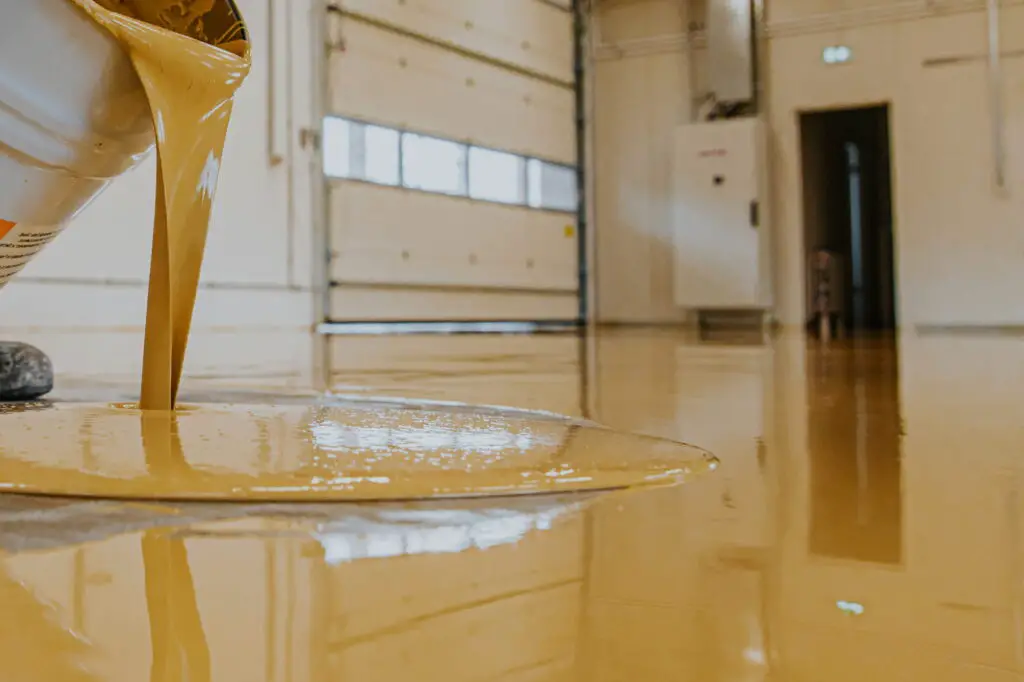
This is one of the most practically important differences for US homeowners. Standard epoxy floors yellow noticeably when exposed to UV light including natural sunlight through garage windows.
If your garage gets direct sunlight, or if your floor installation is in a sunlit commercial space, choose polyaspartic, polyurethane, or MMA instead. All three are UV-stable and will maintain their color long-term.
3. Cure Time and Downtime
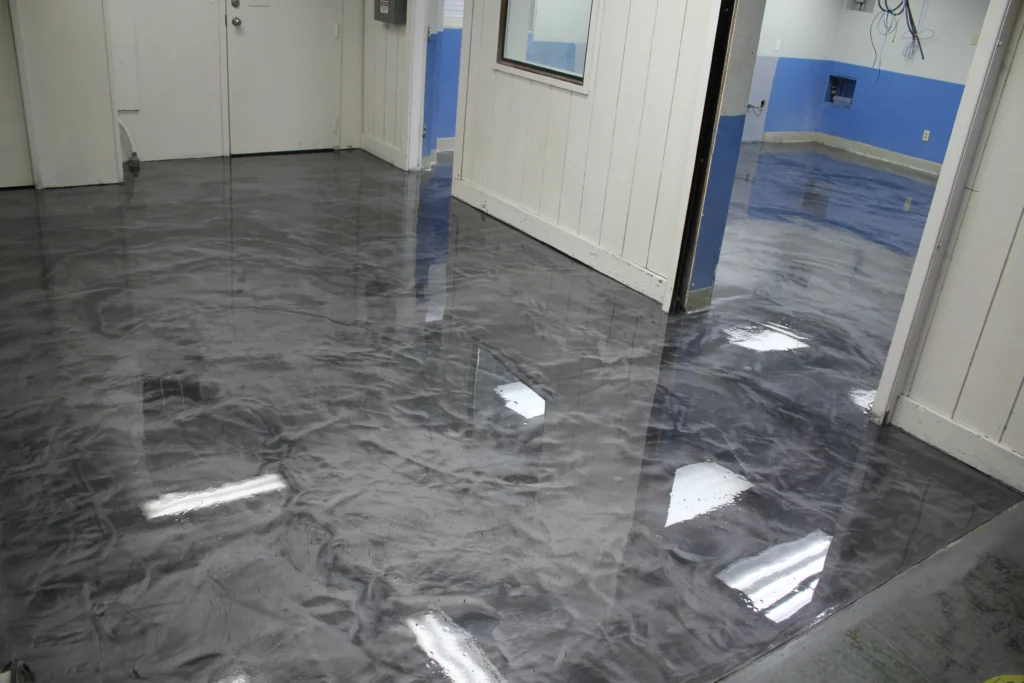
Epoxy requires the longest cure time typically 24 hours before light foot traffic and 72 hours before vehicle traffic. Polyurethane is faster at 12–24 hours. Polyaspartic dramatically reduces downtime to just 2–6 hours, enabling same-day installation and use.
MMA wins outright at 60–90 minutes, though its strong odor makes it impractical in occupied buildings without significant ventilation.
4. Chemical Resistance
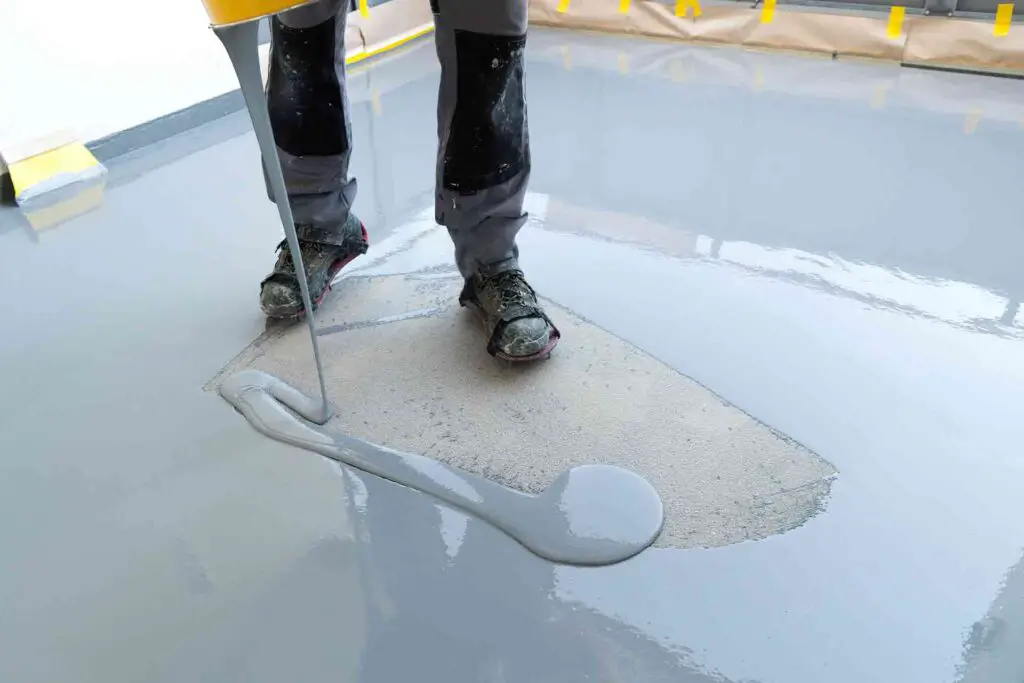
Epoxy has the strongest overall chemical resistance among DIY-accessible options, making it the best choice for garages where oil, gasoline, transmission fluid, and automotive chemicals are regular concerns.
Urethane cement offers the highest chemical resistance of all types, but is a commercial-only system. Polyurethane also offers strong chemical resistance, particularly to acids and cleaning agents used in food service environments.
Related Topics:
5. Temperature Performance
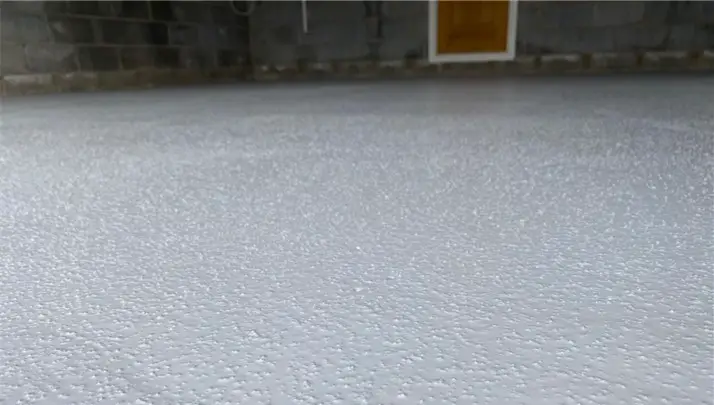
Standard epoxy should be installed at temperatures above 50°F (10°C) and may become brittle in extreme cold. MMA can be installed and will cure at temperatures as low as -4°F (-20°C) essential for cold-climate projects in northern US states.
Urethane cement handles the widest temperature range in service, from frozen to 250°F.
6. DIY Accessibility
Epoxy is the most DIY-friendly resin flooring type, with a large selection of quality kits available at Home Depot, Lowe’s, and online retailers in the US.
Polyaspartic and MMA have very fast cure times that leave little margin for error, making professional installation strongly recommended. Urethane cement is a commercial-only product with no practical DIY pathway.
7. Cost
Epoxy is the most affordable resin flooring option, particularly for DIY installations. Polyaspartic carries a premium for its speed and UV stability. MMA and urethane cement are the most expensive due to material costs and the requirement for professional installation.
For most US homeowners, the decision comes down to epoxy for budget-conscious projects versus polyaspartic for premium, professional results.
Room-by-Room Guide: Which Resin Flooring Type Should You Choose?
Residential Garage
This is the single most common resin flooring application for US homeowners. For most garages, the choice comes down to epoxy versus polyaspartic.
DIY epoxy kits using 100% solids formulations are a cost-effective option for homeowners comfortable with surface preparation. For a professional-grade result with same-day turnaround and long-term UV resistance, polyaspartic installed by a professional is the superior choice.
Avoid water-based epoxy kits sold at mass-market retailers — they look similar but offer a fraction of the durability.
Basement
Basements present a unique challenge: moisture vapor rising from the concrete slab can cause adhesion failure in any resin system. Before applying any resin floor coating in a basement, moisture vapor emission testing (MVTR) is essential.
If moisture is present, a moisture-mitigating primer is required. Once the moisture situation is addressed, epoxy or polyaspartic both work well for residential basements.
Avoid standard epoxy in basements that receive any natural light, as UV yellowing will occur even from indirect sunlight through small windows.
Commercial Kitchen or Restaurant
The only appropriate resin flooring types for commercial kitchens in the US are polyurethane and urethane cement. Standard epoxy cannot withstand the thermal shock of hot water and steam cleaning against a cold floor it will eventually crack and delaminate.
Urethane cement is the professional standard, meeting USDA and FDA requirements for food contact surfaces. For smaller commercial kitchens on a tighter budget, a polyurethane system with anti-slip aggregate is an acceptable alternative.
Retail Store or Showroom
Polyaspartic is the top choice for retail environments. Its UV stability ensures the floor maintains its appearance under store lighting and near windows, its fast cure minimizes disruption during installation, and its high-gloss finish creates the premium aesthetic that retail and showroom environments require.
Decorative metallic epoxy is a lower-cost alternative that creates dramatic visual effects, though it will require a UV-stable topcoat to prevent yellowing.
Warehouse or Industrial Facility
Heavy-duty industrial epoxy systems typically 100% solids systems applied at 20–40 mils thick are the workhorse of US warehouse floors.
For areas with extreme chemical exposure, a urethane cement or chemical-resistant epoxy system is appropriate. For facilities in cold northern states where installation must occur in winter, MMA is often specified.
Outdoor or Covered Patio
Standard epoxy should never be used for outdoor applications. UV degradation will cause rapid yellowing and eventual chalking of the surface. For outdoor patios, pool decks, and covered exterior surfaces, polyaspartic or polyurea systems with UV-stable pigments are the correct choice.
These systems also handle the temperature extremes that outdoor concrete surfaces experience in US climates.
Related Topic: 11 Different Types of Flooring Materials: Best Options
6 Common Epoxy and Resin Flooring Mistakes US Homeowners Make
1. Skipping Surface Preparation
Surface preparation is the single most critical factor in resin flooring performance. The concrete must be mechanically profiled ideally by diamond grinding or shot blasting to open the pores and create a surface profile that the resin can bond to.
Skipping this step and applying epoxy over a smooth, sealed, or contaminated slab is the leading cause of epoxy peeling and delamination.
2. Buying Water-Based Epoxy Kits at Big Box Stores
The $50–$100 epoxy kits sold at Home Depot and Lowe’s are water-based systems with low solids content. They’re thin, relatively short-lived, and often peel within a few years particularly in garages where hot tires sit on the surface.
For a durable result, use a 100% solids or high-solids solvent-based epoxy, even if it costs more upfront.
3. Applying Epoxy Outdoors
As mentioned, standard epoxy is not UV-stable. Applying it to an outdoor surface even a covered porch or sunlit garage will result in yellowing and surface degradation within months.
Always use a UV-stable topcoat or switch to a UV-resistant system like polyaspartic for any outdoor application.
4. Applying Over a Damp Slab
Moisture in the concrete slab is the enemy of resin adhesion. Many US homeowners install epoxy over basement or garage slabs without testing for moisture vapor only to find the floor bubbling or peeling within months.
Always perform a simple plastic sheet test (tape a 2-foot square of plastic to the slab for 24 hours and check for condensation) before applying any resin coating.
5. Choosing the Wrong System for the Environment
Using standard epoxy in a commercial kitchen will result in premature failure from thermal shock. Using a decorative epoxy on an outdoor patio will yellow rapidly.
Matching the resin system to the environment is not optional it’s essential for long-term performance.
6. Not Accounting for Cure Time in Project Planning
Epoxy floors need 24–72 hours of cure time before they can be used. Polyaspartic floors can handle traffic in 4–6 hours.
Planning a garage renovation over a weekend and expecting to park your car on Sunday afternoon after applying epoxy on Friday is a recipe for tire marks and surface damage. Always follow the manufacturer’s cure time guidelines.
How to Maintain Your Resin Floor for Maximum Lifespan
A properly maintained resin floor can last 15–30 years or more. Here’s what US homeowners and facility managers should know:
- Daily/weekly cleaning: Sweep or dust mop regularly to prevent abrasive grit from scratching the surface. Damp mop with a pH-neutral cleaner. Avoid vinegar, ammonia, or bleach-based cleaners, which can dull the finish over time.
- Spill management: Clean up oil, grease, or chemical spills promptly. While epoxy and resin floors are resistant to most chemicals, prolonged contact with harsh solvents can eventually damage the surface.
- Recoating: Most epoxy and resin floors can be recoated after years of wear without full removal. A light mechanical abrasion and fresh topcoat restores the gloss and extends floor life significantly. Expect to recoat every 5–10 years in high-traffic areas.
- Avoid sharp impacts: While resin floors are impact-resistant, dropping sharp or very heavy objects from height can chip or crack the surface. Use rubber mats in areas with heavy machinery or tool drops.
- UV protection for epoxy: If your epoxy floor is in a sunlit space, apply a UV-stable polyaspartic or aliphatic polyurethane topcoat to prevent yellowing and extend the floor’s appearance.
FAQs
Is epoxy flooring the same as resin flooring?
Not exactly. Epoxy is one type of resin flooring. Resin flooring is the broader category that includes epoxy, polyurethane, polyaspartic, MMA, and urethane cement. All epoxy floors are resin floors, but not all resin floors are epoxy similar to how all Fords are cars, but not all cars are Fords.
Which lasts longer epoxy or polyaspartic?
Both can last 15–25 years with proper installation and maintenance. Polyaspartic generally holds up better in high-traffic and UV-exposed environments due to its greater flexibility and UV stability. Epoxy may edge out polyaspartic in pure chemical resistance, particularly in automotive environments.
Can I install epoxy flooring myself?
Yes, for residential garages and basements, DIY epoxy installation is viable using 100% solids kits from reputable brands. The key requirements are thorough concrete preparation (acid etching at minimum, mechanical grinding for best results), proper mixing ratios, and controlled application temperature (ideally 55–90°F). Polyaspartic and MMA systems are not recommended for DIY installation due to their fast cure times.
What temperature is required to install epoxy flooring?
Standard epoxy should be applied when both the air and concrete temperatures are between 50–90°F (10–32°C). Below 50°F, epoxy will cure too slowly or incompletely. Above 90°F, it may cure too quickly, causing fisheyes or improper bonding. For cold-climate installations below these thresholds, MMA is the appropriate resin system.
Final Verdict: Epoxy vs Resin Flooring
After reviewing the full landscape of resin flooring options available in the US market, the answer is clear: the right choice depends entirely on your specific application, environment, and budget not on a blanket recommendation of one type over another.
For the vast majority of US homeowners finishing a garage or basement, epoxy remains the most cost-effective, accessible, and proven option. If budget allows and you want a premium result with UV stability and same-day installation, polyaspartic is worth the upgrade.
For commercial kitchens and food service environments, skip both and go directly to urethane cement it’s the only system built for that level of thermal and chemical abuse. For projects in extreme cold or with strict time constraints, MMA is your only viable option.
The key takeaway: resin flooring is not a single product it’s a family of five distinct systems, each engineered for a specific set of performance demands.
Understanding which system matches your demands is the difference between a floor that lasts 20 years and one that starts peeling in three. Choose wisely, prepare your surface properly, and your resin floor will be one of the best investments you make in your property.
3 thoughts on “Epoxy vs Resin Flooring: Complete Guide to Every Type, Cost, and Use Case”