
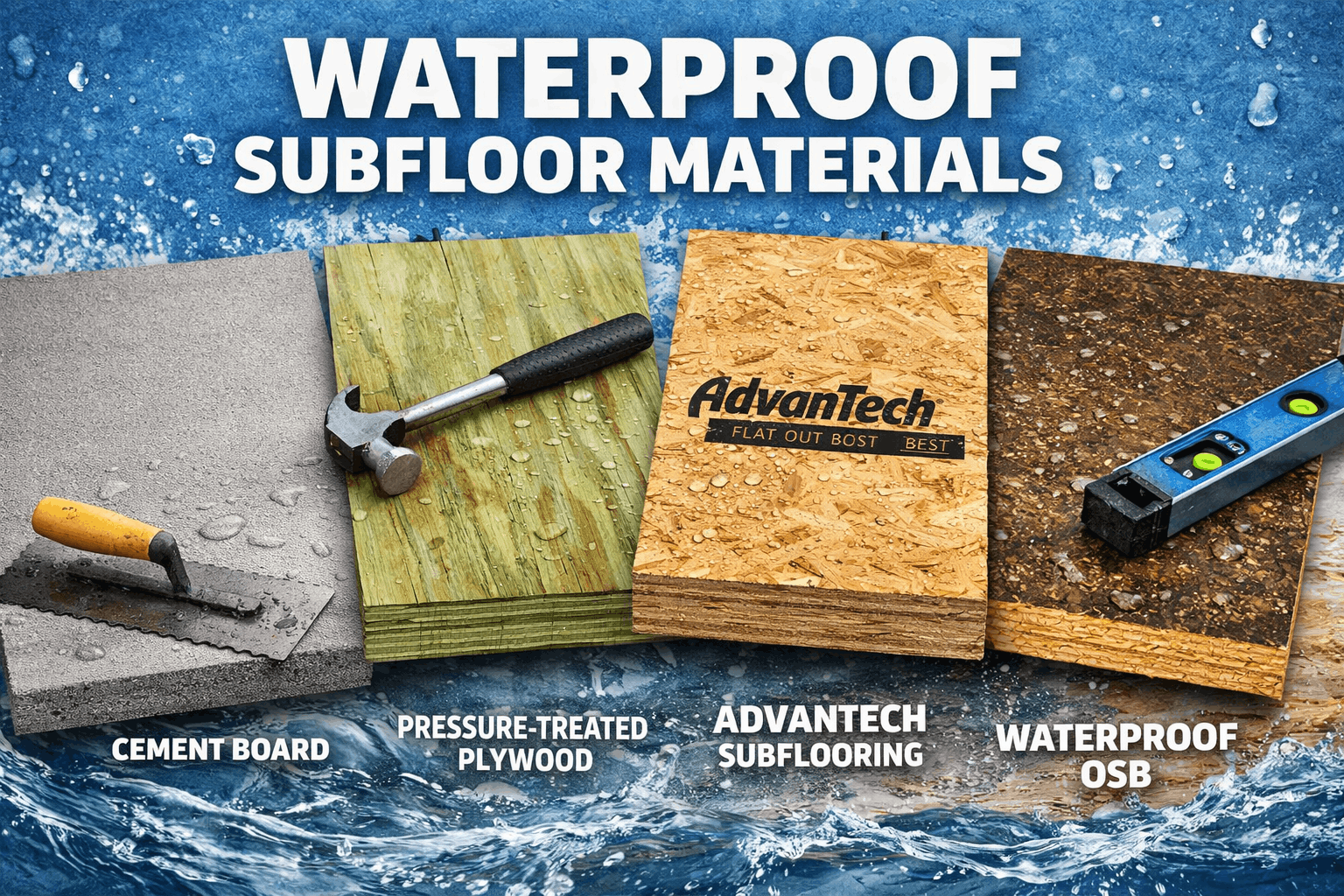
Water damage is one of the most expensive problems a US homeowner can face with the average repair costing between $1,300 and $5,600 according to home restoration data. In many cases, the damage starts not from burst pipes or flooding, but from slow moisture intrusion beneath your finished floor.
That’s why choosing the right waterproof subfloor material matters far more than most homeowners realize. Whether you’re renovating a basement in Chicago, tiling a bathroom in Miami, or building a new home in the Pacific Northwest, the moisture challenges are different and so are the best material solutions.
This 2026 guide analyzes the 10 best waterproof subfloor materials available in the US market, with honest pros and cons, real cost data, DIY difficulty ratings, and expert guidance that most competitor articles leave out.
Waterproof Subfloor vs. Vapor Barrier: Know the Difference
One of the most common mistakes homeowners make is confusing a waterproof subfloor material with a vapor barrier. These are NOT the same thing, and using the wrong one for your situation can lead to serious moisture problems.
Waterproof subfloor material: A structural panel that resists water intrusion. It’s the actual base layer your finished flooring sits on. Examples: cement board, Advantech, DRIcore.
Vapor barrier: A thin plastic or foil sheet installed beneath the subfloor to block moisture vapor rising from the ground or concrete slab. Examples: 6-mil poly sheeting, RedGard, Moisture Block.
For most projects, you need both a vapor barrier to stop moisture vapor, and a waterproof subfloor material to protect against liquid water and structural degradation. This is especially true in basements and ground-floor applications.
Signs Your Current Subfloor Has Moisture Damage
Before selecting a new waterproof subfloor material, check for these warning signs that existing damage may need to be addressed first:
- Soft or spongy spots: If the floor feels bouncy or soft underfoot, the subfloor may already be rotted or delaminated.
- Squeaking or creaking: Can indicate moisture-damaged panels that have lost their structural integrity.
- Musty odors: A strong musty smell at floor level is often a sign of mold growth beneath the finished surface.
- Visible mold or discoloration: Dark staining, black spots, or white mineral deposits (efflorescence on concrete) are red flags.
- Buckling or warped flooring: When finished floors cup or buckle, moisture trapped in the subfloor is usually the cause.
If you notice any of these signs, have the subfloor inspected before installing new materials. Covering damaged subflooring without remediation will result in the same problems recurring.
Choosing by US Climate Region: What Works Where
No single waterproof subfloor material is perfect for every US climate. Here’s a quick regional guide:
- Hot & Humid (Southeast: Florida, Georgia, Louisiana): Prioritize mold resistance above all else. MgO board, cement board, and DRIcore perform best. Avoid standard OSB — it swells quickly in high humidity.
- Cold & Snowy (Midwest, Northeast: Illinois, New York, Minnesota): Freeze-thaw cycles create risk of moisture intrusion. Pressure-treated plywood, Advantech, and DRIcore are top choices for basements and ground floors.
- Pacific Coast (Washington, Oregon, California Coast): High rainfall means persistent moisture exposure during framing stages. Advantech’s 500-day moisture warranty makes it a contractor favorite in this region.
- Arid / Desert Southwest (Arizona, Nevada, New Mexico): Moisture risk is lower, but flash flooding and dry rot are still concerns. Standard pressure-treated plywood or Advantech work well.
- Mountain / High Elevation (Colorado, Utah, Montana): Temperature swings create condensation risk. Use vapor barriers paired with Advantech or cement board for best results.
Quick-Reference Comparison Table
Use this table to compare all 10 waterproof subfloor materials at a glance before reading the detailed breakdowns below.
| Material | Cost/sq ft | Water Resist. | DIY Rating | Best Room | Lifespan |
| Cement Board | $0.30–$0.70 | Excellent | Moderate | Bathroom/Kitchen | 50+ yrs |
| Pressure-Treated Ply | $0.50–$1.20 | Good | Easy | Crawl space/Ground | 30–50 yrs |
| Advantech | $1.00–$1.80 | Excellent | Easy | New construction | 50+ yrs |
| Waterproof OSB | $0.40–$0.90 | Fair | Easy | Budget builds | 20–30 yrs |
| DRIcore Panels | $2.00–$3.50 | Excellent | Very Easy | Basement | 25–40 yrs |
| Marine Plywood | $1.50–$3.00 | Excellent | Moderate | High-moisture rooms | 50+ yrs |
| MgO Board | $1.20–$2.50 | Excellent | Moderate | Wet rooms/Green builds | 50+ yrs |
| PVC Foam Board | $1.00–$2.00 | 100% | Easy | Bathrooms/RVs | 20–30 yrs |
| Schluter DITRA | $1.50–$2.50 | Excellent | Moderate | Tile over radiant heat | Lifetime |
| Sealed Concrete | $2.00–$7.00 | Excellent | Hard | Basements/Garages | Lifetime |
1. Cement Board (Fiber Cement Underlayment)
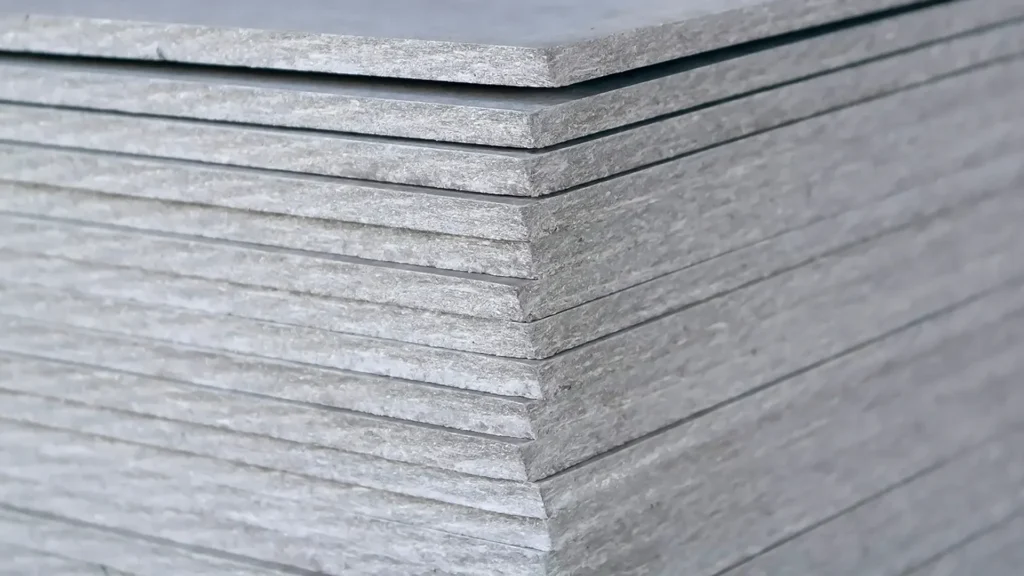
Cement board is the gold standard for tile installers across the US. Made from a cement and fiber core, it doesn’t absorb water, warp, or rot even after years of moisture exposure.
Most professional tile setters in the US default to cement board for bathrooms, showers, and kitchen backsplash areas.
Popular brands include HardieBacker (James Hardie), USG Durock, and Custom Building Products WonderBoard. Each has slightly different formulations but all meet ASTM C1325 standards for use in wet areas.
- Best for: Tile installations in bathrooms, showers, and kitchens
- Cost: $0.30–$0.70 per sq ft (materials only)
- DIY difficulty: Moderate — requires a scoring knife or fiber cement blade, heavy to lift
- Pairs with: Ceramic tile, porcelain tile, natural stone
- Pros: Highly durable, mold-resistant, fire-resistant, widely available at Home Depot and Lowe’s
- Cons: Heavy (60–80 lbs per sheet), difficult to cut cleanly, not suitable under wood or vinyl flooring
- Building code note: IRC Section R702.4 recommends cement board in wet areas behind tile. Many local codes require it in shower floors.
2. Pressure-Treated Plywood
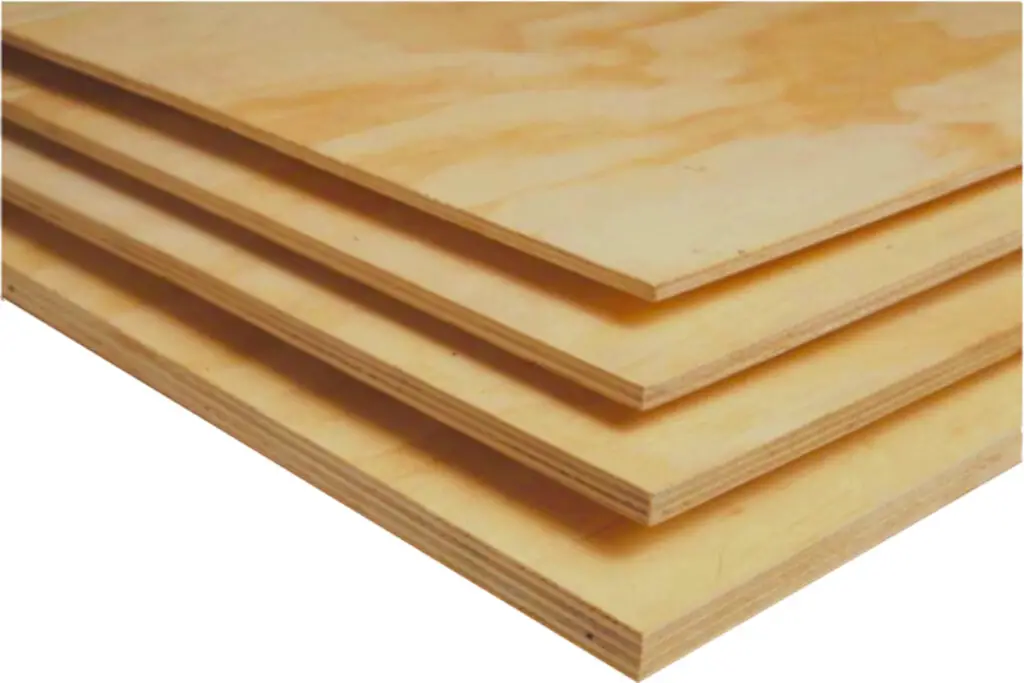
Pressure-treated plywood is standard plywood infused with chemical preservatives typically copper azole (CA) or alkaline copper quaternary (ACQ) that protect against moisture, rot, and insects.
It’s a go-to for ground-level floors, decks, and applications where the subfloor may contact soil or concrete.
It’s important to note that while pressure-treated plywood resists rot, it is not fully waterproof. It should still be used with a vapor barrier in ground-level applications.
- Best for: Crawl spaces, ground-level floors, exterior decking substructures
- Cost: $0.50–$1.20 per sq ft
- DIY difficulty: Easy — cuts and installs like standard plywood
- Pairs with: All flooring types, though a vapor barrier is recommended
- Pros: Widely available, strong, resists rot and insects, familiar to DIYers
- Cons: Contains chemicals (wear gloves when cutting), heavier than untreated plywood, not fully waterproof without sealant
- Building code note: IRC R317 requires pressure-treated wood when in contact with concrete, masonry, or soil.
3. Advantech Subflooring
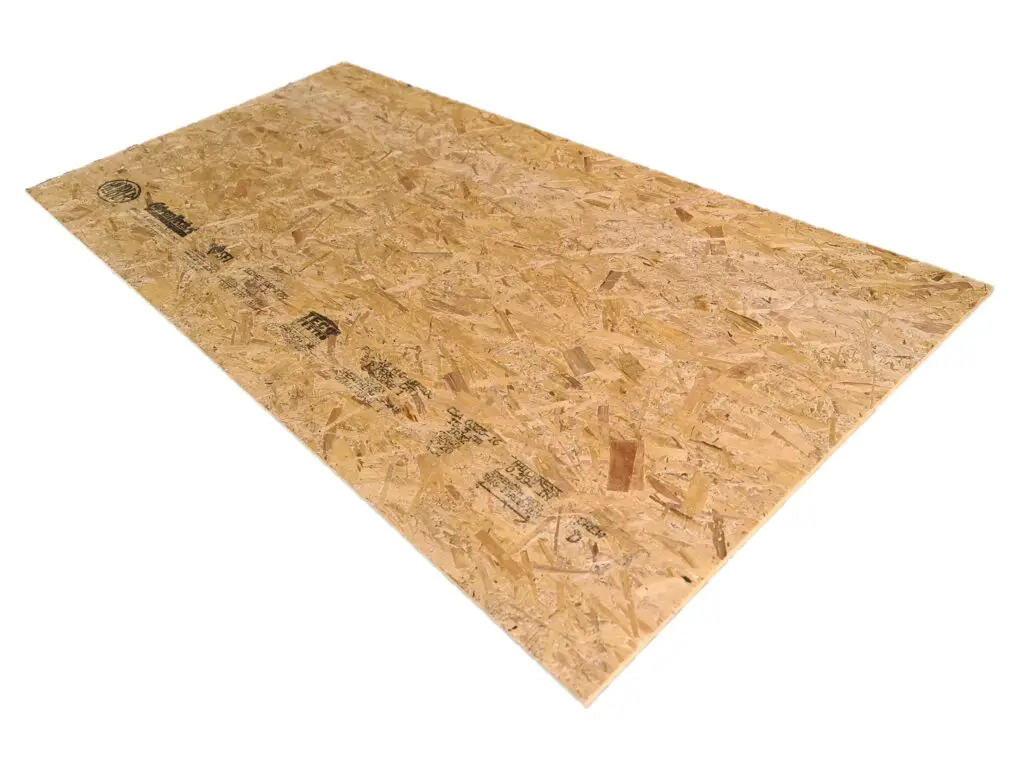
Manufactured by Huber Engineered Woods, Advantech is widely considered the premium engineered subfloor panel in the US market. It uses a dense, moisture-resistant resin adhesive and a smooth sanded surface for superior fastener holding.
Huber backs it with a 500-day exposure warranty meaning it can sit on an open-air framing stage through a full rainy season without significant edge swell.
Many custom home builders in the Pacific Northwest and Southeast have switched entirely to Advantech as their default subfloor panel due to its performance in high-moisture environments.
- Best for: New construction, high-end renovations, any climate with significant rain during framing
- Cost: $1.00–$1.80 per sq ft
- DIY difficulty: Easy installs just like plywood
- Pairs with: Hardwood, engineered wood, tile (with cement board layer), LVP, carpet
- Pros: 500-day moisture warranty, superior stiffness, resists delamination and edge swell
- Cons: More expensive than standard plywood or OSB, not always stocked at smaller lumber yards
4. Waterproof OSB (Oriented Strand Board)
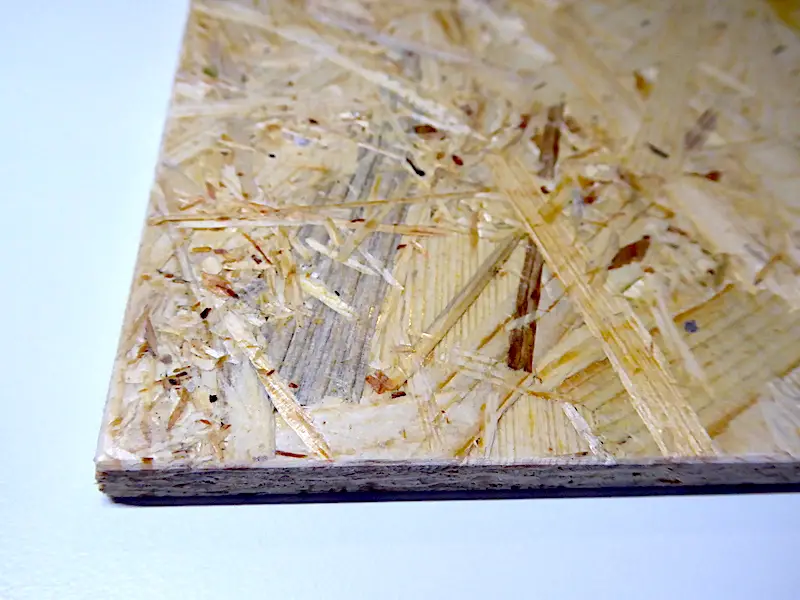
Traditional OSB has a notorious reputation for swelling and delaminating when wet. However, modern waterproof-rated OSB products have significantly improved moisture resistance through wax and resin treatments.
Products like LP TechShield and Huber’s ZIP System panels offer better performance than earlier OSB formulations.
That said, even waterproof-rated OSB is not in the same league as cement board or Advantech when it comes to long-term moisture exposure. It’s best suited for moderate-humidity climates with minimal risk of standing water.
- Best for: Budget-conscious new builds in moderate climates
- Cost: $0.40–$0.90 per sq ft
- DIY difficulty: Easy
- Pairs with: Hardwood, LVP, carpet
- Pros: Affordable, widely available at every home center in the US, improved over older formulations
- Cons: Not fully waterproof, edges still vulnerable to water absorption, lower lifespan in humid climates
Related Topics:
5. DRIcore Subfloor Panels
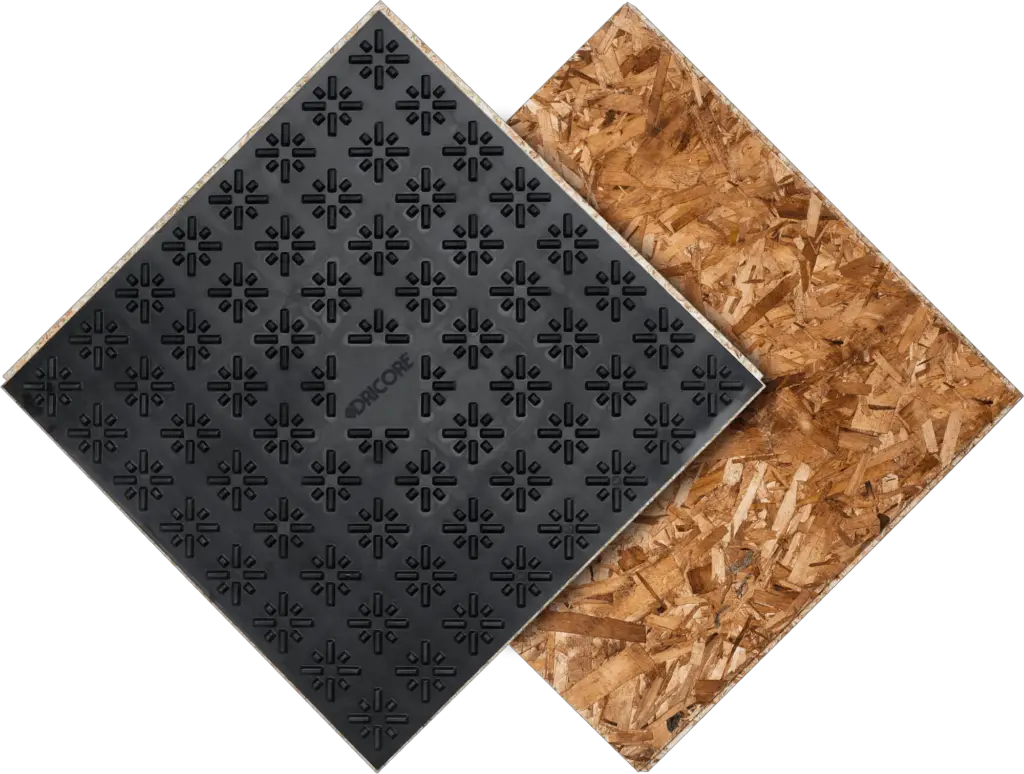
DRIcore panels are a basement-specific subflooring solution featuring a high-density polyethylene (HDPE) moisture barrier on the bottom and an engineered wood panel on top.
The key innovation is the raised dimple pattern on the bottom surface, which creates a small air gap between the panel and the concrete slab allowing any moisture that does get through to evaporate rather than soak into the wood.
This makes DRIcore one of the best solutions for finishing a basement over a concrete slab, which is one of the most common moisture-problem scenarios for US homeowners.
- Best for: Finishing basements over concrete slabs, older homes with minor concrete moisture seepage
- Cost: $2.00–$3.50 per sq ft
- DIY difficulty: Very easy panels snap/click together with no adhesive required
- Pairs with: LVP, engineered wood, carpet, laminate
- Pros: Easy DIY installation, air gap promotes drying, no adhesive needed, raises floor above concrete
- Cons: Adds ~1 inch of height to floor (may affect door clearance), more expensive per sq ft
6. Marine-Grade Plywood
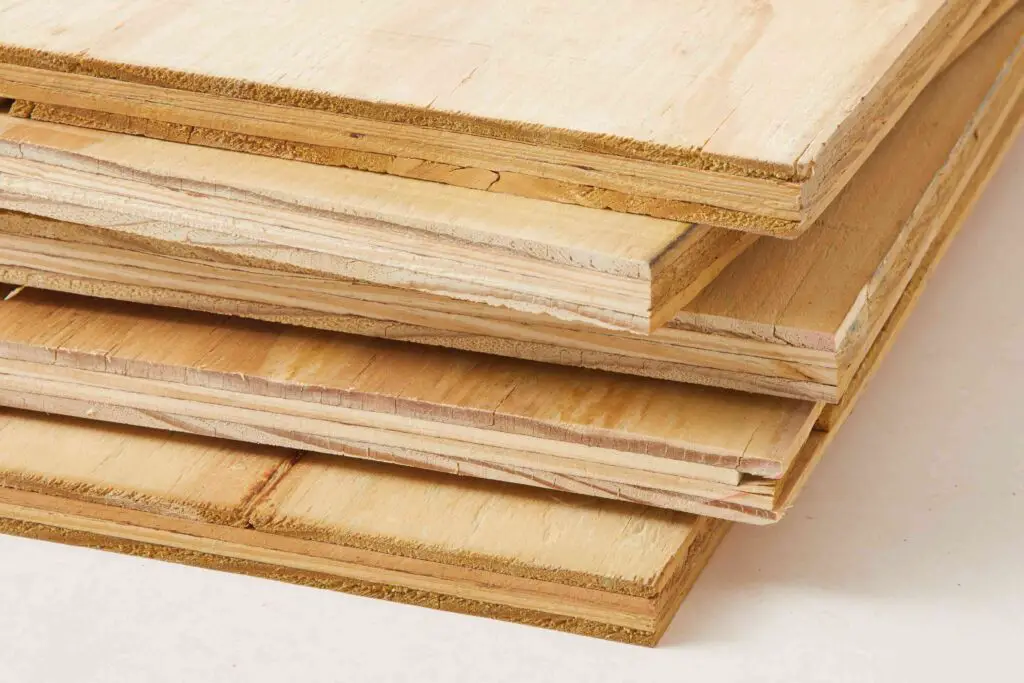
Marine-grade plywood is manufactured with fully waterproof exterior glue (WBP Weather and Boil Proof) and void-free core veneers, meaning there are no internal gaps or voids that can trap moisture.
It’s graded to BS 1088 or equivalent standards, and while originally designed for boat construction, it performs exceptionally well in high-moisture building applications.
For coastal homeowners in states like Florida, Louisiana, or the Carolinas, marine-grade plywood is a particularly practical choice for bathroom and kitchen subfloors.
- Best for: High-moisture rooms, coastal properties, custom tile applications
- Cost: $1.50–$3.00 per sq ft
- DIY difficulty: Moderate — cuts and installs like standard plywood, but heavier
- Pairs with: Tile, hardwood, engineered wood
- Pros: Extremely durable, void-free, resists delamination, available in multiple thicknesses
- Cons: Expensive, may be harder to source at standard hardware stores (check specialty lumber yards)
7. Magnesium Oxide (MgO) Board
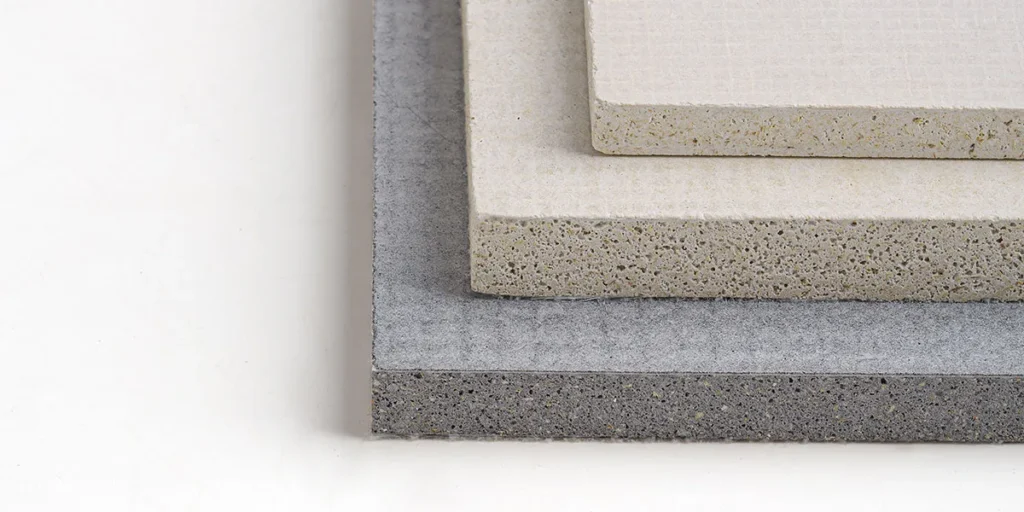
MgO board is made from magnesium oxide, perlite, and fiberglass mesh, creating a fully inorganic panel that is 100% waterproof, non-combustible, and mold-resistant.
It doesn’t contain formaldehyde, asbestos, silica, or VOCs making it a top choice for green building projects seeking LEED certification.
While MgO has been standard in commercial construction in Asia and Europe for decades, its adoption in US residential construction is growing rapidly as homeowners and builders become aware of its advantages.
Look for chloride-free (magnesium sulfate-based) formulations, which avoid the corrosion issues that plagued older MOC-type boards.
- Best for: Wet rooms, underfloor heating systems, green builds, fire-sensitive applications
- Cost: $1.20–$2.50 per sq ft
- DIY difficulty: Moderate requires a carbide-tipped blade for cutting
- Pairs with: Tile, LVP, engineered wood
- Pros: 100% waterproof, fire-resistant up to 800°C, eco-friendly, mold-resistant, lightweight
- Cons: Less commonly stocked in US home centers (order online or from specialty suppliers), quality varies between brands
8. PVC Foam Board (Vinyl Subfloor Panels)
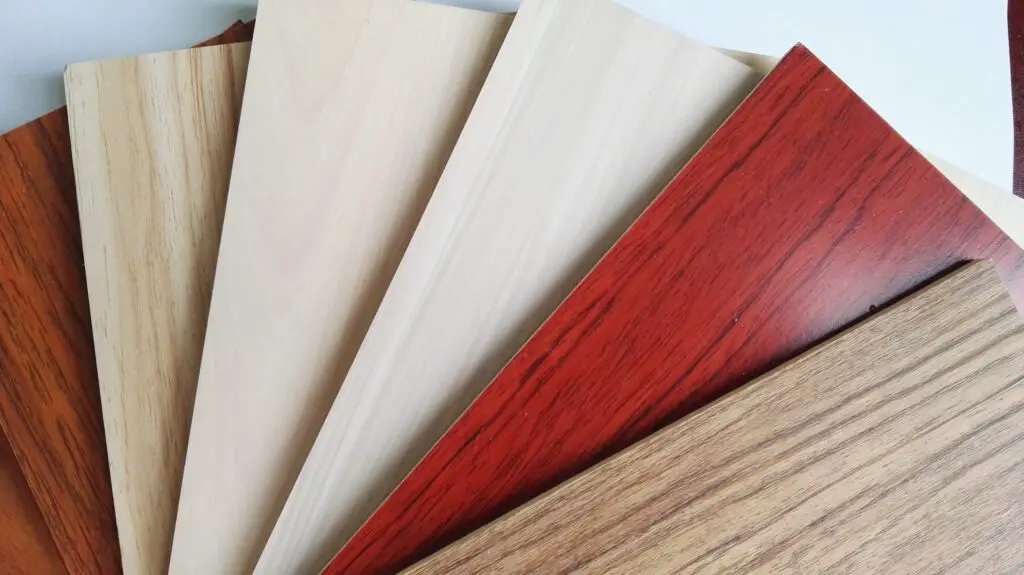
PVC foam board panels are completely synthetic and 100% impervious to water. Unlike any wood-based product, they will never rot, swell, or support mold or mildew growth no matter how much water they’re exposed to.
They’re lightweight, easy to cut with standard woodworking tools, and gaining significant traction in bathroom and wet room renovations across the US.
They’re also a popular choice for RV and mobile home subflooring, where weight and moisture resistance are both critical considerations.
- Best for: Bathroom renovations, wet rooms, RVs, mobile homes, below-grade applications
- Cost: $1.00–$2.00 per sq ft
- DIY difficulty: Easy, lightweight and cuts with a standard circular saw or utility knife
- Pairs with: Tile, LVP, vinyl sheet flooring
- Pros: 100% waterproof, lightweight, mold-proof, no VOC off-gassing, easy to cut
- Cons: Less rigid than cement board or plywood may need additional structural support for heavy tile
Related Topic:
9. Schluter DITRA Uncoupling Membrane
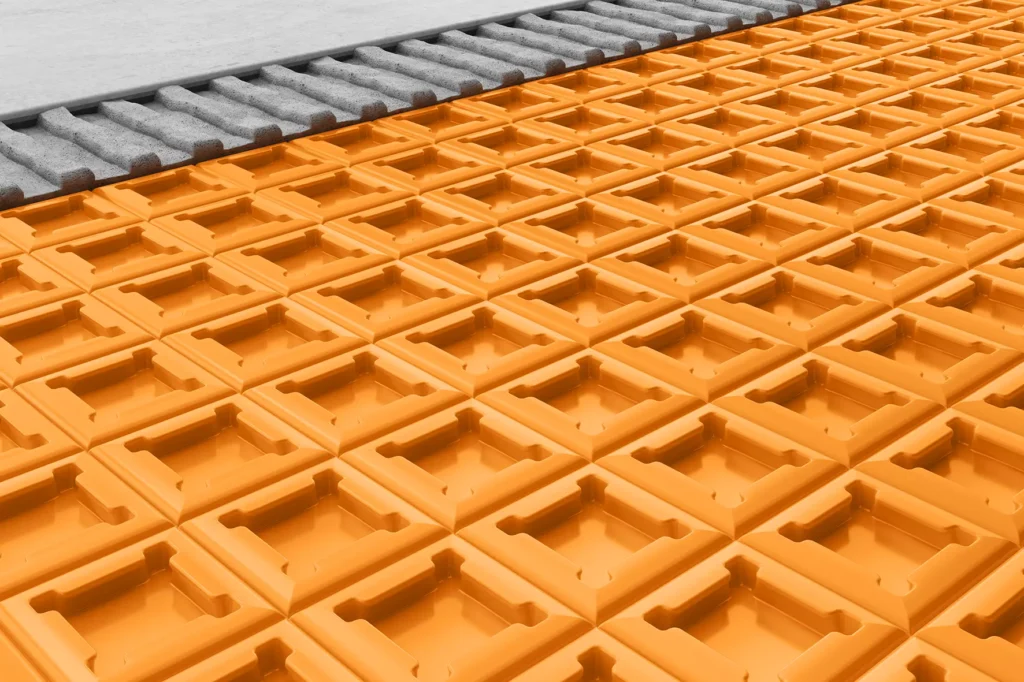
DITRA is a polyethylene uncoupling membrane from Schluter Systems designed specifically as a tile underlayment.
It serves a dual function: acting as a waterproofing layer while also uncoupling the tile from the subfloor, allowing for independent movement that prevents tile cracking due to thermal expansion or minor subfloor deflection.
DITRA is not a structural subfloor replacement it must be installed over a solid, stable base. But as an additional waterproofing layer for tile applications, especially over radiant heat systems, it’s considered the industry standard by professional tile contractors across the US.
- Best for: Tile installation over radiant in-floor heating, renovation projects going over existing solid subfloors
- Cost: $1.50–$2.50 per sq ft
- DIY difficulty: Moderate requires thinset mortar and proper technique at seams
- Pairs with: Ceramic and porcelain tile, natural stone
- Pros: Prevents tile cracking via uncoupling, waterproof, thin profile (~1/8 inch), backed by Schluter lifetime warranty
- Cons: Not a standalone structural subfloor must be installed over a rigid base; higher cost for premium product
10. Sealed Concrete (Poured or Self-Leveling)
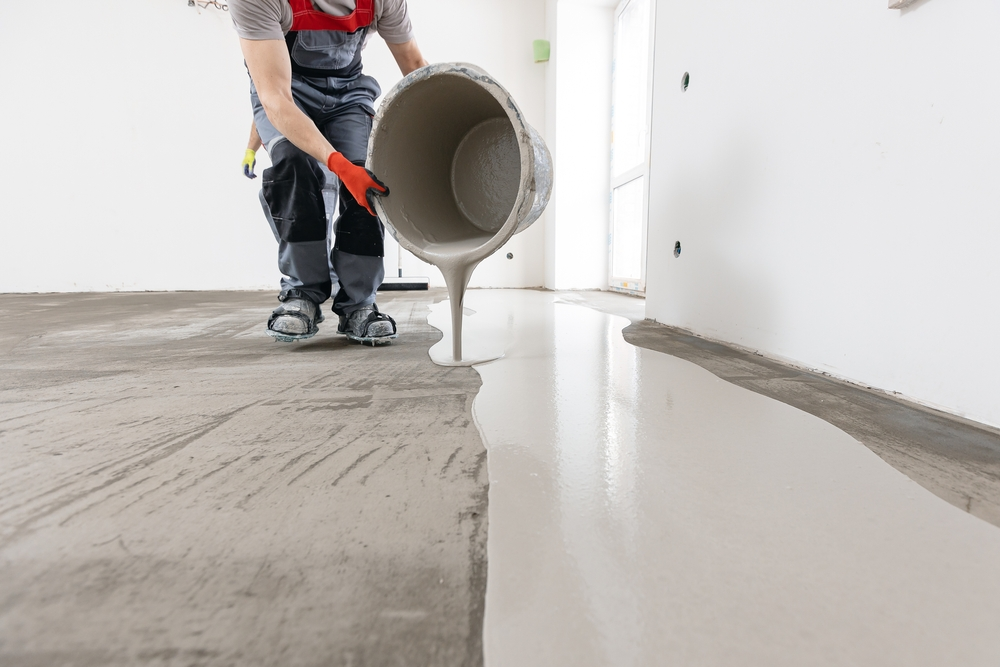
For basement slabs and ground-on-grade construction, sealed concrete remains one of the most permanent and moisture-resistant subfloor solutions available.
When properly sealed with a penetrating concrete sealer or waterproofing membrane such as DRYLOK or RadonSeal, a concrete slab provides an excellent long-term base for nearly any finished flooring type.
Self-leveling concrete compounds (like Henry Level Pro) can be used over existing uneven slabs to create a smooth, level surface before installing finished flooring making concrete a viable renovation option, not just new construction.
- Best for: Basements, garages, slab-on-grade construction, commercial spaces
- Cost: $2.00–$7.00 per sq ft installed (varies significantly by thickness and labor market)
- DIY difficulty: Hard, pouring and leveling concrete requires skill and proper tools
- Pairs with: All flooring types with appropriate underlayment
- Pros: Extremely durable, fire-resistant, compatible with all flooring types, permanent
- Cons: Heavy, can develop cracks over time, requires sealing for full water resistance, cold underfoot without insulation
How to Choose the Right Waterproof Subfloor Material
Use this decision framework to narrow down your options:
Room location: Basement over concrete slab → DRIcore or sealed concrete. Ground-level room → pressure-treated plywood + vapor barrier. Bathroom or kitchen → cement board or MgO board.
Finished flooring type: Tile → cement board or MgO board. Hardwood or engineered wood → Advantech or marine plywood. LVP → DRIcore, PVC board, or Advantech. Carpet → treated plywood or Advantech.
Budget: Tight → waterproof OSB or pressure-treated plywood. Mid-range → Advantech or DRIcore. Premium → marine plywood, MgO board, or DITRA system.
DIY vs. pro: DRIcore, OSB, pressure-treated plywood, and Advantech are very DIY-friendly. Cement board, DITRA, and concrete are better suited to experienced DIYers or professionals.
Climate: High humidity or coastal areas → MgO board, cement board, or marine plywood. Cold climates with basements → DRIcore. Rainy new construction → Advantech.
5 Common Waterproof Subfloor Mistakes to Avoid
Even the best material will fail if installed incorrectly. Here are the most common mistakes US homeowners and contractors make:
1. Skipping the Vapor Barrier
A waterproof subfloor panel alone won’t stop moisture vapor from rising through a concrete slab. Always install a 6-mil poly vapor barrier beneath DRIcore, plywood, or any wood-based panel on or below grade.
2. Using Standard OSB in High-Humidity Zones
In states like Florida, Georgia, or Louisiana, standard OSB will swell and delaminate within a few years. Use waterproof-rated OSB at minimum, or preferably cement board or MgO board in these climates.
3. Not Leaving Expansion Gaps
Even waterproof panels expand slightly with temperature changes. Leave a 1/8-inch gap between panels and a 1/2-inch gap at walls to allow for movement and prevent buckling.
4. Installing Over Damaged Subfloor
Installing new waterproof panels over existing damaged or moldy subfloor traps the problem underneath. Always remove and replace rotted or moldy sections before installing new material.
5. Choosing Tile-Only Underlayment as a Structural Subfloor
Products like Schluter DITRA are not structural subfloor replacements. They must be installed over a solid, stiff subfloor base. Using them alone over floor joists will result in tile cracking and system failure.
Related Topics:
US Building Code Basics for Subfloor Waterproofing
While local codes vary by state and municipality, the International Residential Code (IRC) provides a baseline that most US jurisdictions follow:
- IRC R317: Requires pressure-treated or naturally durable wood when in direct contact with concrete, masonry, or soil.
- IRC R702.4: Covers tile backing requirements. Cement board or equivalent is required in wet areas.
- IRC R506: Requires a vapor retarder (minimum 6-mil poly) under concrete slabs in contact with the ground.
- Local codes: Some states particularly Florida, California, and Louisiana have stricter moisture requirements than the base IRC. Always check with your local building department before starting a major subfloor project.
FAQs
What is the most waterproof subfloor material available in the US?
PVC foam board is technically 100% impervious to water since it’s a fully synthetic material. For structural applications, MgO board and cement board offer the highest long-term moisture resistance among rigid panel options.
Can I use regular plywood as a subfloor in a bathroom?
Standard plywood is not recommended for bathroom subfloors. At minimum, use pressure-treated plywood or marine-grade plywood. For tile installations, cement board is strongly preferred by professionals and may be required by local building codes.
What is the best waterproof subfloor for a basement?
DRIcore panels are specifically engineered for finishing basements over concrete slabs. The raised dimple design creates an air gap that prevents moisture buildup. For a more budget-friendly option, a 6-mil vapor barrier combined with pressure-treated plywood or Advantech also works well.
Is Advantech worth the extra cost over plywood?
For most US builders, yes especially in high-rainfall regions or for homes where the framing will be exposed to weather for extended periods. Advantech’s 500-day exposure warranty and superior edge-swell resistance translate to fewer callbacks and longer-lasting floors.
Maintaining Your Waterproof Subfloor
A quality waterproof subfloor is a long-term investment — and like any investment, it needs periodic maintenance to perform well:
- Inspect annually: Check for soft spots, squeaks, or visible staining around toilets, dishwashers, and under sinks the most common leak points.
- Reseal grout and caulk every 1–2 years: Grout and caulk are the first lines of defense in wet areas. Once they crack or shrink, water bypasses even the best waterproof subfloor beneath them.
- Control indoor humidity: Keep indoor humidity between 35–55% using exhaust fans, dehumidifiers in basements, and proper bathroom ventilation. Even waterproof subfloor materials last longer in controlled humidity environments.
- Address leaks immediately: A slow toilet leak or dripping pipe can defeat even marine-grade plywood if left unaddressed for months. Fix plumbing leaks as soon as they’re detected.
Final Verdict
After analyzing the full competitive landscape, here’s the bottom line for US homeowners in 2025:
- Best overall for new construction: Advantech Subflooring — unmatched moisture warranty, easy installation, and nationwide availability.
- Best for bathrooms and tile: Cement board — the professional standard, affordable, and code-compliant in all 50 states.
- Best for basements: DRIcore panels — purpose-built for the most common moisture problem US homeowners face.
- Best eco-friendly option: MgO board — fire-resistant, 100% waterproof, and free from harmful chemicals.
- Best budget option: Pressure-treated plywood — widely available, easy to install, and reliable when paired with a proper vapor barrier.
Whatever material you choose, remember: no waterproof subfloor performs well without proper installation. Leave expansion gaps, install vapor barriers where needed, and address any existing moisture damage before laying new panels. Do those three things, and your subfloor will protect your home for decades.
2 thoughts on “10 Best Waterproof Subfloor Materials: What Experts Actually Recommend”